Story · For families · Foster Care
For Children in Foster Care, School Should Be a Source of Stability, Not a Loss

Cooper: A foster child's address may change overnight. Our commitment to that child's education should not.
This story first appeared at The 74, a nonprofit news site covering education. Sign up for free newsletters from The 74 to get more like this in your inbox.
Imagine being told you must leave your home tonight. Then imagine learning that you may also have to leave your school, your friends, your favorite teacher and the one place where life still feels familiar. For a child entering foster care, a change of address can become a cascade of losses. School should not have to be one of them.
As CEO of Atlanta CASA, I work in a field where adults make urgent decisions intended to keep children safe. Safety must come first. But we cannot overlook what happens after a child is placed somewhere new: whether that child can get to school tomorrow, stay connected to trusted adults and continue learning without starting over.
Educational stability is not an extra benefit to consider when everything else is settled. It is part of a child’s well-being, and it demands the same urgency we bring to other decisions about their care.
A school is more than a building
For children whose lives have been disrupted, school can offer something powerful: predictability. The same morning greeting, the same classmates, a teacher who notices when something is wrong. A student who has finally begun raising a hand in class or trusting a counselor should not have to rebuild those relationships because adults could not coordinate transportation or paperwork.
Changing schools can also carry academic consequences. Courses may not align. Records may arrive late. A student may miss instruction, lose access to services or discover that an activity that gave them confidence is no longer available. These challenges are not signs that a child lacks motivation. They are barriers created by circumstances beyond that child’s control.
Schools should be especially careful not to mistake a student’s response to disruption for a lack of potential. A child who is quiet, frustrated or struggling to complete assignments may be navigating uncertainty that most adults would find overwhelming.
The law sets a floor, not the finish line
Federal protections already recognize the importance of keeping children in foster care connected to their schools. Under the Every Student Succeeds Act, child welfare and education agencies have responsibilities related to school-of-origin decisions, transportation, immediate enrollment when a move is necessary and timely transfer of records. These safeguards matter. Yet a right on paper is only as effective as the coordination that makes it real.
Consider the questions that should be answered before a school day is lost. Who is determining whether remaining at the current school serves the child’s best interest? Who is arranging transportation? Who is ensuring the receiving school has the information needed to support the student? And who follows up when the plan does not work?
If every adult assumes someone else is handling those details, the child bears the consequences. Accountability cannot be a vague promise shared by everyone and owned by no one.
Three commitments to make now
First, child welfare and school leaders should make educational continuity part of every placement conversation. When a child’s living arrangement changes, the adults involved should identify the school plan immediately, assign responsibility for each action and communicate directly with the people who must carry it out. Transportation and enrollment should not become last-minute surprises.
Second, measure success by more than attendance. Being present in a classroom is essential, but it is not the same as being supported. Students may need tutoring, access to counseling, help recovering credits or opportunities to join sports, clubs and other activities. Schools and community partners should ask what will help each child belong and progress, not simply whether the child showed up.
Third, listen to young people. Children often know which teacher makes them feel safe, which friendship keeps them grounded or why a particular school matters to them. Their perspectives should inform decisions in ways appropriate to their age and circumstances. Adults can make better choices when they listen before deciding.
None of these commitments requires a new slogan. They require clear ownership, practical resources and a willingness to work across systems that too often operate separately.
A shared responsibility
Educators cannot solve placement instability on their own. Child welfare professionals cannot deliver classroom support alone. Courts, caregivers, advocates, school districts and community organizations all have roles to play. Court-appointed special advocates can help bring attention to a child’s educational needs, but no one person or organization should be the only safeguard against disruption.
Policymakers should ask whether existing protections are working in practice, including whether transportation arrangements are timely and whether students receive needed services after a move. School leaders can establish clear points of contact. Community partners can help expand tutoring, mentoring and enrichment opportunities. Each action may seem modest, but together they can protect a child’s sense of continuity.
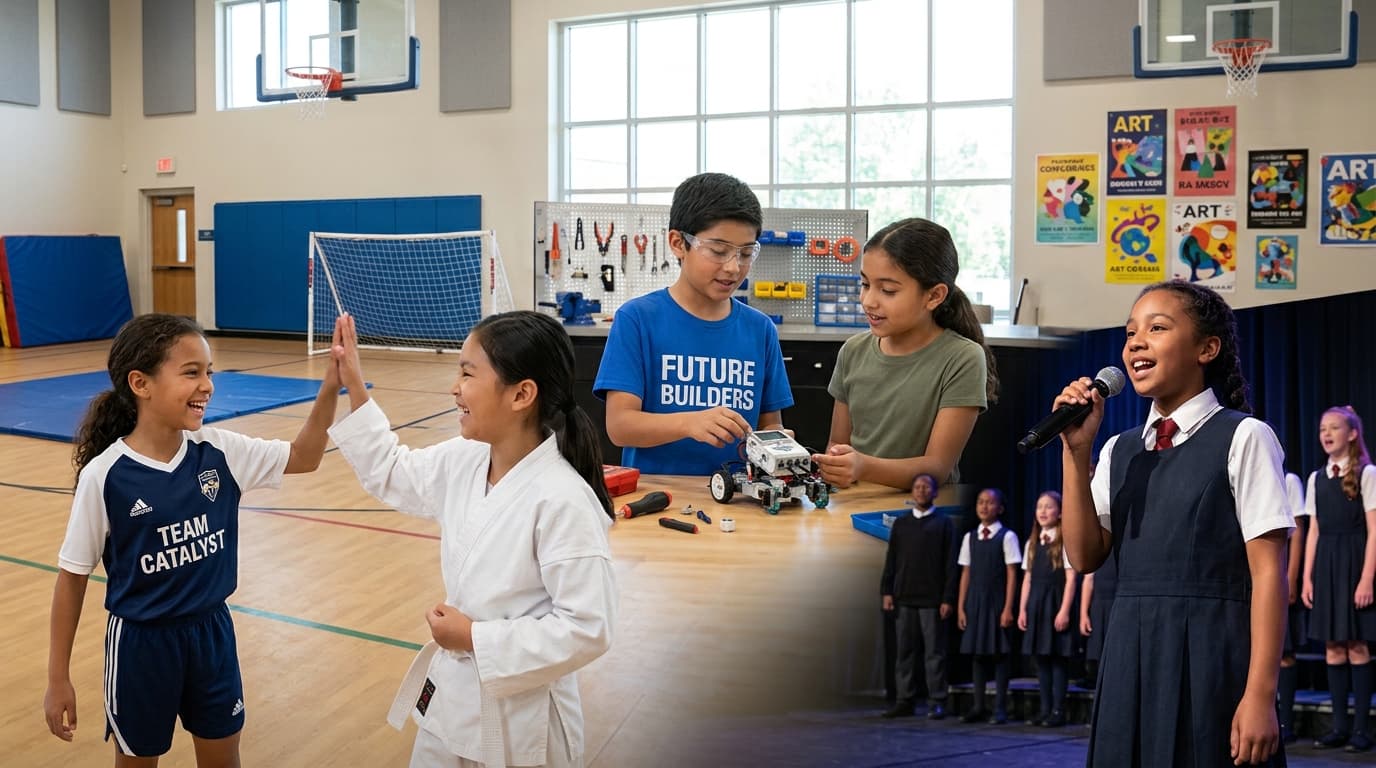
Children experiencing foster care are not defined by the circumstances that brought them into care. They are readers, athletes, artists, problem-solvers and future leaders. They deserve the freedom to focus on discovering who they can become rather than constantly adjusting to what has changed around them.
As child welfare and education leaders, we may not be able to prevent every placement change. We can, however, refuse to treat educational disruption as an unavoidable side effect. When a child must leave home, the adults responsible for that child’s care should do everything possible to preserve the relationships, learning and opportunities that remain.
A child’s address may change overnight. Our commitment to that child’s education should not.